

Featured Session · Mining Forum Americas 2026
State of the Industry: Mining in the Americas at an Inflection Point
A fact-based session on where the industry stands today, how commodity outlooks are diverging, and what miners need to decide.
About the session
Mining in the Americas is not in a moment of simple cyclical recovery. Commodity markets are diverging on different timelines, the project pipeline is tightening under permitting, cost inflation, and community pressure, and investors who once accepted high-level narratives are now demanding granular answers about capital discipline, supply response, and long-term resilience. The executives who read those conditions clearly will enter the next capital cycle with a decisive advantage over those who do not.
Session chapters
| Chapter | Focus |
|---|---|
| State of the Industry Today | Production, prices, margins, capex, project activity, market performance, and shareholder returns |
| What Industry Leaders Are Saying | Executive perspectives on capital allocation, supply response, project risk, productivity, and resource security |
| Outlook by Commodity | Supply and demand outlook for copper, gold, silver, iron ore, met coal, thermal coal, and selected critical minerals |
| Geopolitics, Trade, and Resource Security | Resource nationalism, industrial policy, supply-chain security, the Strait of Hormuz, and the critical minerals race |
| Project Development, Permitting, and Supply Response | Americas project pipeline, permitting timelines, capex inflation, execution risk, community engagement, and license to operate |
| Critical Questions for Miners | Capital allocation, portfolio choices, productivity, partnerships, talent, resilience, and permitting strategy |
Benchmark data in partnership with McKinsey & Company
Presenting the State of the Industry report
McKinsey & Company · Metals & Mining Practice
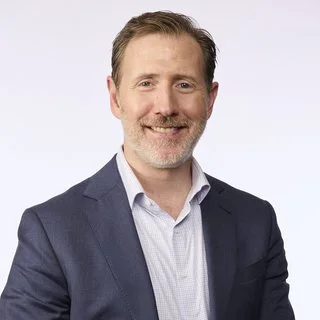
Sean Buckley
Senior Partner, McKinsey & Company · Dallas
Focuses on strategy, operations, AI and innovation in the energy and materials sectors, and leads McKinsey’s Metals & Mining Practice in North America.
Previously led McKinsey’s Data Science Guild globally and its OptimusAI solution for ML-driven process optimization in heavy industries, with deep experience driving tech-enabled performance transformations.
Before McKinsey, was an investment banker at BMO focused on metals and mining M&A and equity, and worked as a structural and product development engineer in Canada, Norway and Japan.
Holds an MBA and an engineering degree from the University of Toronto, and is a CFA charterholder.
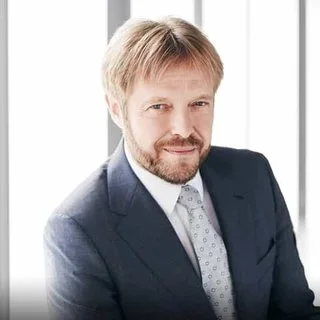
Yermolai Solzhenitsyn
Senior Partner, McKinsey & Company · Shanghai
Leads McKinsey’s metals practice globally, guiding companies with nearly thirty years of experience in the metals, mining, energy and transportation industries.
Beyond traditional strategy, capital productivity, organizational systems and operations work, has focused in recent years on digitization and broader transformation programs.
Relocated to Shanghai in 2022 after many years working in Russia, Eastern Europe, the Middle East and Africa.
Before joining McKinsey, spent several years working in China and served as a consultant to the World Bank Group.
Holds an MPA in International Relations from Princeton University and a BA in East Asian Languages and Civilizations from Harvard University.
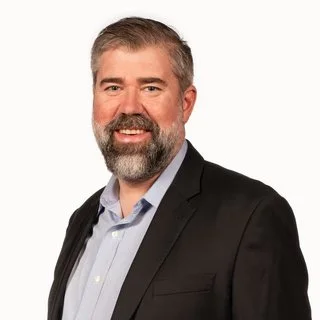
Nathan Flesher
Partner, McKinsey & Company · San Francisco
Responsible for McKinsey’s metals and mining practice operations and market analytics assets, including MineLens, MetalLens and MineSpans.
Serves clients globally on operations improvement, strategy and technology transformations.
Previous experience includes research in structural damage and failure, risk management consulting for an international insurance program, and mine infrastructure construction.
Holds a Ph.D. in Mechanical Engineering from Stanford University, and an M.S. in Applied Mechanics and a B.S. in Civil Engineering from the University of Virginia. A sixth-generation miner.

Greg Callaway
Metals & Mining Expert, McKinsey & Company · Toronto
Expert in McKinsey’s Metals and Mining Practice, with a particular focus on base and precious metal and bulk industry value chains.
Leads the practice’s work on the implications of the energy transition for material demand and resource scarcity.
Supports resources clients globally, with experience across the Americas, Asia and Europe on strategy, corporate finance and marketing topics along the metals and mining value chains.
Brings four years of mining industry experience with junior and senior players, primarily in the South African platinum sector, including capital project valuations and corporate group asset optimization.
Holds a BCom (Hons) in Economics from the University of the Witwatersrand, Johannesburg.
Survey Respondents
Industry leaders surveyed for the State of the Industry report
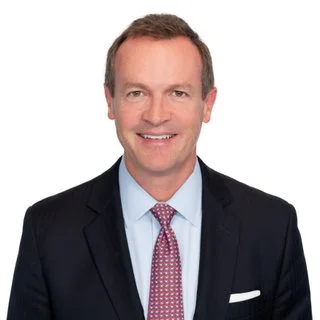
Mitchell J. Krebs
Chairman, President and Chief Executive Officer, Coeur Mining, Inc.
Leads Coeur Mining, a leading U.S.-based silver producer and one of the country’s largest gold producers, with mines across the Americas including Palmarejo, Rochester, Wharf and Kensington.
Appointed President and CEO in 2011 and Chairman in 2024; joined Coeur in 1995, later serving as Chief Financial Officer and Senior Vice President of Corporate Development.
Has led over $2 billion in capital markets transactions and facilitated over $2 billion of acquisitions and divestitures during his tenure at Coeur.
Director of the National Mining Association and former President of the Silver Institute; holds a BS in Economics from the Wharton School and an MBA from Harvard University.
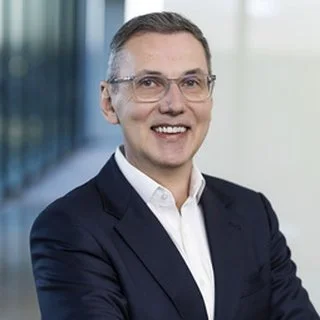
Peter Toth
Executive Vice President and Chief Sustainability and Development Officer, Newmont Corporation
Brings more than 25 years of leadership experience in the resources industry across various commodities, with senior strategic, commercial and operational roles in Europe, Singapore, Australia and the United Kingdom at Rio Tinto, BHP and OM Holdings.
Most recently led Rio Tinto’s corporate strategy as Group Executive, Strategy and Development, overseeing business development and M&A, strategic partnerships, climate and sustainability strategy, closure and exploration.
Previously Chief Executive of ASX-listed OM Holdings Ltd.; began his career at BHP in 1994.
Holds a Bachelor of Business from Monash University, a Graduate Certificate in Management from Deakin University and a Master of International Business from the University of Melbourne.
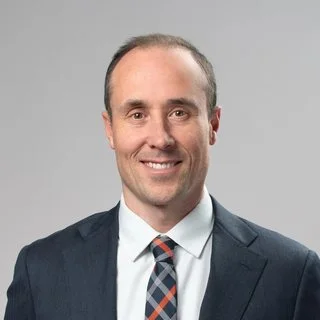
Matthew Murphy
Managing Director, Equity Research, Metals & Mining, BMO
Joined BMO Capital Markets in early 2025, covering senior gold and base metal miners.
Has covered the mining and metals space on the sell-side since 2008, at a number of global investment banks with a presence in Canada.
Before his finance career, worked in engineering consulting in the alternative energy sector.
Holds a Bachelor of Applied Science in Mechanical Engineering from Queen’s University and an MBA from the Rotman School of Management at the University of Toronto; CFA charterholder.
The recording
Executive insights from the 38th Mining Forum for the Americas, featuring a comprehensive assessment of the metals and mining landscape. Industry leaders from McKinsey, Newmont, and Coeur Mining discuss the critical shift toward execution, capital discipline, and technological integration amidst rising geopolitical challenges, commodity price volatility, and the imperative for supply chain resilience.
Key moments
- Mining Industry Outlook and Market Optimism
everybody's got reason to be optimistic. Um, commodities are at record prices. Companies are seeing record cash flow.
Despite record commodity prices and strong balance sheets, the mining industry faces persistent challenges that require disciplined execution.
- Persistent Industry Problems Undermining Growth
market caps have expanded, it's largely been driven by pricing and multiple expansion. It hasn't been supported and underwritten by production growth.
Share price appreciation in the mining industry has been driven largely by pricing and multiples rather than organic production growth.
- Profit Pool Shift Toward Precious Metals
Gold and silver are now more than half of the profit pool for the entire industry. That was twenty-five, thirty percent less than five years ago.
Industry profit pools have undergone a major shift, with gold and silver now representing over half of total industry profits.
- Geopolitical Impact on Mining Strategy
We're seeing geopolitics enter the conversation in a much larger way than it has historically.
Geopolitical instability and Chinese processing dominance are fundamentally changing how global mining operations function.
- Stagnation of Mining Industry Productivity
there's a real supply side challenge on productivity. We've seen productivity, after a COVID rebound, really begin to stagnate again.
Mining industry productivity has struggled to rebound, remaining largely stagnant for the past fifteen years despite increased capital investment.
- Integrating AI into Mining Operations
but only six percent say they're actually seeing bottom-line impact at a level that would move the needle.
While most mining companies are experimenting with AI, only a small percentage have successfully translated it into significant bottom-line impact.
- Optimism in a Cyclical Mining Environment
Is it really a time for optimism for the industry?
Industry veteran Mitch Krebs emphasizes a cautious, disciplined, and responsible approach as the current outlook for mining turns increasingly positive.
Chapters
Transcript
This is an automatically generated transcript. Denver Gold Group cannot accept responsibility for mistakes, errors, omissions, or any action taken in reliance thereon.
Talk to you soon, everyone. I assume you can hear me. Yeah, that sounds better. Great. Well, great to see you all. I'm actually not Sean Buckley, I'm Richard Sellschop, but I'm gonna do a brief introduction, uh, and hand over to Sean. So great to see you here all at the thirty-eighth Mining Forum for the Americas and the first of this expanded format. We, McKinsey, are very proud, uh, to be partnering with the Denver Gold Group at this event. And thank you to Tim, uh, and to Jessica Brown and the whole DGG team for pulling this together every year. There's over two hundred companies here this year, mining and exploration executives, investors, analysts, truly making this a forum for discussion about mining in the Americas. It's very timely at this exciting time for our industry. As I mentioned, I'm Richard Seltsrup. I lead our McKinsey Mining Service line. It's a proud year for us as well. As McKinsey, we've just turned one hundred, uh, and mining has been a part of our story for most of that one hundred years. Our first metals client was in the nineteen fifties, a stainless steel producer that actually produced product that went into the Empire State Building and the Chrysler Building. And then our first mining client was, uh, Mount Isa in m-- nineteen sixty-eight in Australia. One line-- We dug through the old files, and, uh, one line from that first, uh, engagement still holds up today. It said, uh, "The company was one thousand miles from the nearest major city," and this is the bit that's interesting, "and continually faced a series of difficulties in attracting and retaining high-caliber personnel." So it seems some things in our industry don't change. And that brings me to today. What you're about to hear, uh, from Sean, Sean Yermolay and the team is a state-of-the-industry, uh, report that we've built especially for this, uh, event. It's grounded in input from our approximately six hundred colleagues who are focused on metals and mining, our one hundred, uh, technical experts, technical team members who are part of our Global Materials Institute, and conversations with more than a dozen mining CEOs from the Americas over the past few months. So what you're hearing is what people are actually saying about running these companies and not just what the data says. As Tim said, you would have received it by email on Friday. There's hard copies there in the back, uh, and we'd welcome the chance to talk with any of you about it one-on-one, either here or afterward. I'm gonna hand over to Sean. Sean leads our North America Metals and Mining practice, and he'll talk through the report highlights and then lead the Q&A. Thank you. Sean. Richard. Perfect. Okay. So th-thank you everybody for being here. Um, th-the report itself is probably fifty or sixty pages. There are hard copies at the back for anyone's-- anyone who's interested. For anybody who doesn't wanna carry that around, we've got PDF copies we'll email to you, or you may already have a copy. Um, like I said, it's fifty or sixty pages long. We just picked out fifteen or twenty slides that we thought told the story pretty well. And then once you're done just hearing from us and seeing some data, we figured you'd rather hear what do the industry executives actually think. So we've got Mitch and Peter and Matt, who are gonna bring it to life, really focused on a perspective from the West. And then we're gonna put one of our colleagues on the hot seat, who leads our, our Shanghai office, to try to keep us honest for what the rest of the world is seeing and thinking. Um, here are some of the highlights. You know, out of all of the executives we spoke to, everything we see in the data, everybody's got reason to be optimistic. Um, commodities are at record prices. Companies are seeing record cash flow. Balance sheets have completely de-levered from twenty fourteen. Um, M&A and IPO windows are open. There are lots of reasons to feel good. Mining's in the news every day. Every government wants to try to help with permitting. You've got new investors and new stakeholders who try-- trying to crack these problems. New money going into venture technology that hasn't been fully brought to bear. Um, attractive projects can get capital. You dig deeper, a lot of the same old industry problems are still nagging at us, and we haven't solved them yet. So, um, even though prices are high, share prices are high, market caps have expanded, it's largely been driven by pricing and multiple expansion. It hasn't been supported and underwritten by production growth. Productivity as an industry is down. People are having bigger and bigger problems attracting talent. Projects are increasingly behind schedule or over budget. Resource nationalism's on the rise around the world. It feels like in Africa we're seeing a, you know, a race of one-upsmanship in terms of state free carry, increasing taxes, um, threatening permit extensions. And of course, despite all the press and interest in critical minerals and Fast Forty-One, we haven't yet solved and cracked these hard problems like permitting. So across all of that, I think the message for us is it's time for execution. It's time for execution on the project pipeline, on the promise to improve permitting, um, and to meet the demand for metals that we have coming down the pipe. Um, this is a collection of quotes we heard from the executives we interviewed. We interviewed, call it, twenty to twenty-five CEOs and asked them what they thought. And across all of this- You know, a few themes stood out. You know, number one, everybody's excited, everybody's optimistic, everybody thinks there's opportunity from this additional engagement from governments, what's coming with tech and AI. But they're also aware of these challenges, and they also feel like we can't make the mistakes of the last cycle. We've still got to show discipline, especially with capital and new projects. Um, the industry in, in five numbers. We're back up to three and a half trillion of revenue across the industry. To put that in context, that's the entire GDP of India represented just by the metals and mining industry. For those who are following government debt and borrowing, that is half the US annual budget. Um, big shift in the second number. Gold and silver are now more than half of the profit pool for the entire industry. That was twenty-five, thirty percent less than five years ago. That has been a complete shift from steelmaking metals, energy metals, straight to precious. Like we mentioned, balance sheets have recovered, down from four and a half net debt to EBITDA, um, in twenty fifteen to roughly one X. So companies are primed. They've got an opportunity to grow. EBITDA margins are at an all-time high, thirty-three percent. And metals and mining companies have completely outperformed the S&P and broader market, five and a half X in terms of total shareholder return, half equity, half return of capital. I'll move really quickly through these so we can get to the industry panel. But this is the trend on total industry revenues, back up north of three trillion dollars, matching the twenty t- twenty two, uh, peak of when, when the Ukraine drove up prices around the world. Importantly, margins significantly higher. So even though we're seeing high inflation, people are protecting margins for now. It's not a rising tides lifts all boats type of story. We've seen a real breakout. Gold and silver are out ahead of the rest. Across all industrial metals, we're roughly flat except for copper. Here's that breakdown of value pools across the industry in terms of where the revenues are coming from. Fifty percent of the market is still steelmaking metals and energy. Gold and copper are now roughly a third. And even though we're seeing a lot of news about critical minerals, rare earth magnets, they're still just not big enough to move the needle. This shows how some of the profit pools have shifted in just the last three years. Gold and silver have gone from maybe a third of the industry profit pools to more than half, and that's all been stolen from steelmaking and thermal coal. This is how the, the capital markets have evolved over the last few years. Uh, twenty-five years ago, top ten miners were, you know, two-thirds of the market. Today, less than a third. So it's really broadened. Twenty-five years ago, Europe made a dent in this chart. Today, it doesn't. It is a story of North America and increasingly China. And on the far right-hand side, you know, twenty-five years ago, gold was five percent of the industry. Today, it's more than a third. Same thing for copper, roughly twenty-five percent. So a real shift, and like Tim said, not all commodities are benefiting equally. Here's what we saw in terms of returns to shareholders. It's been a good run over the last cycle for metals and mining shareholders. Five and a half times return in terms of a total shareholder return. Call it roughly half equity values, half return of capital. In terms of the equity returns, it's not what we would like to see of being margin-driven or being volume-driven. It's largely driven by prices updating, you know, NAV values for, for the mines, um, reflecting higher cash flows. A third of it is deleveraging. Twenty percent of it is margin expansion, but really only two or three percent is volume. We think demand still looks strong across most metals. You know, on the far right-hand side, we're seeing a ton of demand growth for critical minerals, rare earth magnets, five percent plus. Then you've got a lot of energy behind energy materials for, for uranium, in particular, with the resurgence of nuclear energy, the need for growing more food and replacing fertilizer for potash. And then on the left-hand side of the chart, flat demand across a lot of commodities like iron ore, coal, gold, silver. We love this chart, so it might be worth taking a moment to explain what you're seeing before we jump into it. But, you know, bottom left, iron ore, coal, they're still fifty percent of the industry revenues. Um, but we don't see a lot of growth, and we don't see attractive pricing regimes. Gold, now one of the biggest value pools in the whole industry, top middle, um, but pretty low growth. So it's really been supported by this monetization energy, this risk-off energy. On the far right-hand side, a ton of growth and demand coming in and favorable pricing regimes for these critical minerals, rare earths. Um, but they're small. They don't move the needle for a major, and that's why we're not seeing a lot of movement into them. But middle of the chart, it does show you why everybody's chasing copper. You know, it is the next big value pool that's big enough to move the needle for one of the majors. Okay. Nathan, can you help me with a little bit of a view on geopolitics and the project pipeline? Uh, hello, everyone. Um, so Our next big trend is, is geopolitics. We're seeing geopolitics enter the conversation in a much larger way than it has historically. We see trends, twelve out of fourteen of the major commodities are dominated by Chinese processing. Mining policy announcements have gone from a pace of around fifteen a year, this is global, fifteen a year twenty years ago. It was about fifty a year five years ago, and last year and this year are on a pace to a hundred. So all around the world, governments are entering the mining conversation, uh, much more actively than they did before. In addition, you have the phenomenon of trade protectionism. Um, US Section two three two measures, uh, contributed to a COMEX spread on copper of thirty percent last year. So you're seeing commodities no longer being commodities depending on where they're mined. And finally, we have exogenous events like the Strait of Hormuz, um, jumping on top of a sulfur price that was already negatively impacting the processing costs for nickel, for copper, for everything that uses sulfur across the industry. Um, mining is relatively diversified. Um, you know, you can see across countries, DRC, Australia, South Africa, dominating mining of different commodities. But we've created a strategic dependence on China. You see China, China, China across all of these commodities. The only exceptions being platinum for South Africa and nickel for Indonesia off the back of a really concerted push by the Indonesian government to, uh, encourage domestic refining of, refining of nickel. We also see state capital becoming more and more of a force in mining. You have governments, um, deploying equity, loan guarantees, infrastructure funding. And you-- Sean mentioned the activity in Africa. You can see here on some of the major mining companies or mining countries in Africa, the pace of, [clears throat] the pace of mining announcements. And a big trend across every single one of these is, uh, domestic refinement. You see, uh, you know, bauxite tariffs increasing, um, gold doré being able to... Or must be refined domestically. Kind of a real focus now in Africa to keep the processing in country. And then the Strait of Hormuz. You have a much more active array of exogenous events, um, throwing a monkey wrench into the industry. I mean, we see now, uh, a disruption of scale that we've simply not seen before, both in the percentage impact of, uh, percentage impact on energy demand as well as the length of disruption. I mean, we're now going past the nineteen ninety Gulf War, the seventy-three oil embargo, um, really with no end in sight. So within this geopolitical context, we move on to, to capital. Um, mining in a renewed investment cycle, we see about two point two children of-- two point two trillion of CapEx required over the next ten years to build out, uh, the brownfield and greenfield expansions. We see, uh, drill to mill CapEx moving from a hundred and thirty-three billion a few years ago to almost two hundred and fifty billion in, uh, ten years. But within the context of chronic overruns in schedule and in cost. Underneath all of the financial strength and in the context of the, uh, issues that we're having geopolitically, there's a real supply side challenge on productivity. We've seen productivity, after a COVID rebound, really begin to stagnate again. Um, what you see here is our internal mining productivity index, where we relate the three inputs of mining, labor, non-labor OpEx, and CapEx, into simply how much dirt an operation can move. So removing the influence of grade, removing strip ratio, just looking at inputs to dirt. And what we saw is there was a real deflation in productivity during the commodity super cycle. Fortunately, we've managed to arrest that. But quite frankly, productivity has been on a pretty stagnant trend, um, for the last fifteen years. And it's something that the industry is going to have to deal with in the context of... We estimate the mining industry worldwide is going to need about two hundred and fifty thousand more net people [clears throat] over the next ten years. And that's in the context of even decreasing, uh, coal mining employment. This would be the entire industry needs to find people, and we need to fight for EPC capacity, um, to develop the mines and then for people to operate them. Capital requirement, um, over the next ten years, we're concentrating on, you know, copper and gold, so thirty-five and seventeen percent of the upcoming capital respectively, and a real concentration in the Americas. So kind of a great time for this group to come together and think about what that's going to mean for our industry in North and South America over the next ten years. [clears throat] Um, and then finally, you know, I mentioned before about chronic overruns of capital and cost. We see about thirty-seven percent average capital overrun in recent projects with a pretty fat tail of projects that went more than a hundred percent over their CapEx budget. And similarly, less than half of projects are coming in on time. We see an average overrun of one point two years, and it just makes an interesting contrast to the M&A premium. People talk about how expensive it is to acquire new assets. And while that doesn't bring net new production online, it does say that, "Hey, if I can buy something at a thirty percent premium that's already producing," or, you know, maybe that's a more attractive proposition than a thirty-seven percent CapEx run coming one point two years later. So with that, I'll hand back to Sean to finish up on technology and then lead into our panel. Okay, perfect. Thank you for bearing with us. These are the last couple slides, then we'll transition to, to the panel. So, um, one of the thing we're, we're-- one of the big problems we're trying to solve is this productivity question. So how are we gonna overcome declining grades, longer hauls, deeper pits, trouble finding labor, and of course, these projects that are running long? One of the things people are increasingly looking to is what's the role of tech and AI gonna be. We just finished publishing a, a state of AI report for twenty twenty-six, and here are the-- here are a few of the learnings. So in terms of the research, we spoke to a hundred different business leaders around the world, including twenty of the top miners. A hundred percent of them are using AI somewhere in their business. Um, eighty percent of those business leaders say it's starting to move the needle in terms of personal productivity for them. Um, but only six percent say they're actually seeing bottom-line impact at a level that would move the needle. So we've considered that five percent plus in terms of EBITDA improvement. Two other insights came out this year. One, thirty percent have now changed a build versus buy decision, where they've said, "We're gonna try to build an internal tool instead of subscribing to new software." And number two, this is the first time in the ten years we've been doing this survey that people have started to say token costs and AI cost is starting to slow down and constrain the pace they're moving at. Um, we went really deep. The companies that said they're getting, you know, disproportionate impact out of their AI, we wanted to know what are they doing differently than others. So we thought we'd call out a couple things in particular. You know, number one, um, all the way up top, look at some of these bars that are much, much longer between, you know, winners and the rest. Number one, it's top-down. It is not a thousand flowers blooming, hoping that employees are gonna figure out a magic way to transform their business with something like Copilot. They've got an AI strategy, and they're pursuing what they would consider these, you know, big economic leverage points in their business. Um, number two, bold bets. They are going all in. They're going big on a smaller number of those bets, somewhere that they can address one of these economic leverage points, a bottleneck in the operation, something that will drive growth. Um, number two, they are not just trying to automate a process. They're trying to completely change how they do something. So think of this as mine planning, project scheduling and execution, leaching. Companies are trying to completely rethink a business domain. That's how they're getting big impact. Um, and then number three, they are role-modeling it and leading the change themselves. They are not outsourcing this to an IT group. They're personally owning this and running this through the business. Um, something else that's worth calling out here is they are not just hoping people get more efficient. They are really using it to try to gr-drive growth. These are, you know, the use cases or the places these top twenty miners are applying AI in their business. This is the first year that this chart has been completely filled and showing that they are now trying to apply AI in every step of the value chain. The lighter blue colors, these are the ones where they're saying, "We're starting to see impact." And the darker blue colors are where they're so confident in the impact, they've started to report it in their financials. This is the order of magnitude people are starting to see, so call it somewhere from one to two to five percent at a specific point in the value chain, and they're actually putting real resources behind it. So, you know, across ten of these biggest miners, think about AI teams or roles that are associated with AI, anywhere from two to three percent of the org, two hundred to eight hundred people. Um, and if we look forward and we think what's behind agentic AI, what's coming next, that's physical AI. And I think we've gotten a little bit of a taste of it in terms of autonomous, which is the most advanced and furthest adopted, and it's just staggering to think that autonomous deployment has five X'd over the last couple of years. And whereas Canada, Australia were furthest ahead two, three years ago, China has now surged to the front. Okay, so if we try to tie this all together before we invite our panelists up on stage, five, six messages for mining executives. What do you do? How do you process all of these different, different, uh, messages? You know, number one, make hay while the sun's shining. Seize the moment. If we've got any assets that aren't running at their limit of performance, you gotta fill that mill. Number two, these cycles always come to an end. Let's not let costs creep in. We gotta protect those margins. Number three, it is time to orient to growth. The world needs more metals. We saw that chart where we still believe there's a ton of demand across most of the metals. Um, look for not just projects in M&A, but highest value de-bottlenecking opportunities, highest value brownfield opportunities, and then of course, disciplined project execution in M&A. Number four, if we are building, let's not succumb to those o-overruns on costs and schedule. We gotta protect the project IRR, and we gotta find new ways to overcome these EPC and talent challenges and be able to deliver projects on time, on schedule. Number five, there's a way to make AI and tech a competitive advantage. A lot of people in the industry will say, "We're not a pioneer. We wanna be a fast follower." But I think the fast follower strategy usually leads to we want to adopt those proven applications where it's gonna benefit us immediately as-- when we plug it in. The problem with that is those are the, those are the innovations that are just gonna lower the cost curve across the whole industry, and they're not gonna make you more competitive. We think the people who are getting differentiated value in AI are finding a place where they can drive some differentiated value, something that'll move their position on the cost curve. And then last but not least, it's getting harder and harder to operate. Economics in all of the regions we need to build in are getting tighter. Uh, countries want a higher share. Stakeholders want, uh, a real social return on their investments. Um, they want jobs. They want water. We've got to protect our license to operate. Okay. So with that, let me end the, uh, the slide portion of this, I know it was a speedrun, and welcome a few guests up on stage to either bring this to life or correct me from a real industry perspective. So Mitch, Peter, Matt, Yermalai, can we welcome you guys up on stage? [audience applauding] Hi. How are you? Nice to meet you. Hi. Yermalai, you're last. We've never met. I don't think so. Yeah, it's good to meet- Matt, you're number three. Peter. Mitch Criscio. Hi. You're right here in the hot seat. [chair squeaking] Okay. Perfect. Guys, thank you so much for being here. And team, for folks out in the audience, um, we're gonna get the conversation with a couple questions for each of these guys, but we are taking questions after about twenty-five or thirty minutes. So feel free to either raise your hand and we'll bring a mic around the room, or submit a question over QR codes, and we'll do our best to try to funnel them through to the audien-- to, uh, to our panelists. So, um, before I jump in, a couple quick intros if you don't recognize faces. We've got Mitch Krebs, who is the chairman, CEO, and president of Coeur. Um, Mitch has been with Coeur for about thirty years, and on the side, he also found some time to chair the National Mining Association, sit on the board of Kansas City Southern, and is the-- is also the past president of the Silver Institute. So Mitch, thank you for making time for us. Thanks. Peter is EVP, chief sustainability and development officer at Newmont. Peter, uh, had prior spent fifteen years with BHP, ten with Rio, leading their strategy group, and was also the CEO of OM Holdings. Um, Peter, thank you for being with us. Matt is the, uh, is a managing director of equity research, metals and mining with BMO. He's been covering the industry from a gold and base metal miner perspective for two decades now. And, uh, most of his current universe is senior gold and copper players or base metal miners. Matt, thank you for being here. And to balance out our, our North American and Western perspective, we've got Yermalai with us, who leads our Shanghai office and our metals practice globally. So Yermalai, thank you for being with us. Okay, so jumping into a few, uh, opening questions just to warm, warm the audience up. Um, Mitch, we'll go to you first. Gold is at forty-three hundred dollars. Just been through a transformative M&A deal, now leading a twenty billion dollar plus company. Mining is in the news every week, if not every day. And you've got this vantage point of having led the NMA and represented your colleagues across the industry. How do you feel? Is it really a time for optimism for the industry? Yeah. Well, thanks- thanks for the invitation, and good afternoon, everyone. Look, if you had said to me a few years ago that, um, gold would be forty-three hundred dollars, silver would be sixty or sixty-five, copper would be six dollars a pound plus, we'd be a twenty billion dollar company, I don't know what I would've said to you or how I would've felt. I might have doubted you a little bit, but I probably would have thought that it would be an easy-- It would make for an easy time. Mm-hmm. Um, of course, all it's really done, I think, is swapped out one set of challenges for a different set of challenges, which is-- that's, that's sort of life in the mining industry to a certain extent. But I do think it's a time to be at least cautiously optimistic. I mean, I think we've all, you know, been around this industry long enough to see that, uh, just when you think times are, are great and the, the, the, the road ahead is clear, something comes along and, and, um, throws us all a curveball. I mean, it is called cyclical for a reason, right? And so I think having a dose of, of, um, caution, preparing for the next down-downturn when you're in a good, good period of time, I think is always a prudent, uh, way to be thinking. Uh, but, but, you know, we just don't see that next downturn right now. Um, it'll come. Maybe it won't come for a while. Maybe it won't be as deep or severe as, as those in the past. But I do think overall the industry is more, um, it's more disciplined, it's more responsible, um, uh, it's more cohesive, it's more together than I think I've ever seen it in, in my thirty years. And I think that, um, professionalism and that discipline, uh, projects well. Um, and I think in the, the political realm, uh, you know, we are in the spotlight now like we've, we've never been. And I think the industry is, is conducting itself and carrying itself in a- In a much more measured, uh, way than in, in past good times. And I think that- that's good for, uh, for the industry's reputation. So I th- I, I, I'm optimistic. Uh, but I always, you know, you have to have a, uh, be watching for something that's gonna come along and, and, and mess it all up. Okay. So cautiously optimistic, realistic, and always looking over your shoulder. That's a good way to sum it up, I think. Okay. Peter, um, you've also got the benefit of gold, uh, the gold tailwind in your sales, plus you got a bunch of copper in your development pipeline. Um, since you've been with Newmont, share price is up three hundred plus percent, um, and you're now the sixth biggest miner in the world. But you also have to operate in a lot of different jurisdictions. So beyond the optimism, what keeps a major up at night, and what are the biggest challenges we still need to solve? Yeah, I'm going to, to, to agree with everything that Mitch said. Um, that's interesting. Just, um, I'll have the dubious honor of actually, uh, seeing the lowest, uh, share price that Newmont ever had and the highest share price Newmont's ever had during the last four years. So that tells you about the, the, the, the cyclicality that, that, that we encounter. What, what, what keeps me awake is exactly what makes us successful. I, I think that's the way to put it. I am paid to, I'm paid to sort of stay awake and, uh, and worry about those things in the, uh, in the company. The, the gold price, uh, right? I mean, we, we, we are in a, in a macroeconomic and geopolitical paradigm at the moment, uh, that is unprecedented, and it's manifesting itself in the gold price amongst, amongst other things. But, but if you just look at the mix of variables around the, um, uh, inflation, interest rates, bond yields, um, debt, public and private debt, um, government, um, central government buying of gold. Um, if you look at gold, um, physical gold, ETFs, gold equities in investment portfolios. If you look at the combination of all those factors, it's unprecedented. And I'm with Mitch. We've been around long enough now to know that you finish every sentence in the management meeting by saying, "What does this look like through the cycle?" Right? What, what, what do we, what, what do we do just to make sure that the free cash flow generated, the capital allocation policy, the project pipeline is, is, is robust enough through the cycle? So, so, so that's, um, that's something that keeps us awake. We, we need to also continue just to perform every quarter. So, so, so the reality check is that your, um, the, the, the scale, the resilience, and the sustainability of the portfolio needs to generate safety, cost, productivity, uh, um, meet or beat your guidance every quarter. So, so, so that's kind of table stakes. Then the continuous, um, the continuous challenge of, of, of, of the, of the, um, of, of the, uh, of the jurisdictions and the geologic-- uh, the geographical spread of a portfolio, and we, we're all different. But, but there is just-- There, there are no simple, uh, jurisdictions anymore. Um, uh, doesn't matter how small or, or, uh, or big you are. And then, and then you get the project pipeline. It's about, um, capital is not the constraint, I think for any of, uh, a-any of us at the moment. It reality is, um, sequencing, understanding that project pipeline, sequencing that project pipeline, shaping the projects, and then making the decisions around where you, where you invest, uh, next. And, and then, and then comes the real constraint, which is execution, capacity, and capability. F-finding, fi-finding the talent, finding, finding the EPCMs, find-find-finding partners that, that, that have the, have the cap-- collectively have the capacity to execute on that project pipeline. The balance sheet is in great shape, but with that comes the challenge of capital allocation. What does good capital allocation look like when we're generating so much free cash flow as we do? And there are cons-- limits to how much we can spend on sustaining capital, how much we can spend on development capital, and then what does-- what, what is good capital allocation look like in terms of dividends through the cycle to not get, uh, ahead of ourselves too much, share buybacks and other sh-form of shareholder returns. So that, that'd be the-- that's the package that keeps me up. Peter, y-you, uh, I think you touched on just about every topic we possibly could. So very impressive and well done. And I like this idea of thinking of executives as, as professional warriors. So- Mm. Uh, that, that'll keep us all honest. Matt, we've heard from the producers, what do investors actually want? And, uh, what do they want from the miners, and what do they want from governments and regulators right now? Um, I think, um, investors, you know, recognize the, uh, the market we're in. They're all, uh, quite positive on the space. You just see the, uh, investment boom happening in many areas right now. Um, [clears throat] the whole reshoring trend, every government running massive fiscal stimulus. They all want to, um, you know, build more and faster than they ever have before. And it's in the West too. So you haven't even really seen emerging markets, um, taking off yet. And there was a great chart in the, uh, Wall Street Journal last week showing this AI boom, biggest ever, uh, as a percentage A-GDP, uh, investment bet in the US, uh, bigger than the railroads, roads, um, you know, water, telecom. So, uh, huge fiscal coming together. Investors see that. Um, you know, there are some fiscal concerns. So you've seen, uh, the interest rates moving higher, and I think that's driving the, the gold bid. So it's really across the whole sector. And then actually in China, um, you know, you've seen rates drop. So, um, they're kind of having a twenty, you know, a COVID moment of, uh, low cost of capital and, um, they're able to buy significant amounts of gold. Um, so, you know, I think, um, that gives investors confidence to come into the space. There's still-- We're still getting calls at BMO from generalists, from new funds who, you know- Peop-- um, um, clients who made a lot of money in US tech, they may look at, you know, the bits versus, um, atoms, uh, trade and wanting to own a bit more real asset exposure. Um, in terms of what they want from corporates, it's actually, I think, very aligned with some of the strategies, um, you know, we've heard up here. Um, number one is execution. So, um, the key is that, you know, when a company has guidance, investors wanna see that th-they're achieving that guidance, so they can kind of underwrite the outlook. Um, number two, uh, a bit of capital return. You know, I think it's a sign of a good, uh, healthy business that you can, you can, uh, pay out when the market is this healthy. Um, and third, I'd say a little bit of appetite for projects. It's, uh, you know, I think investors are interested to see what the numbers look like. They're not necessarily saying, you know, dive into a mega project at all, at all costs. Um, and then I think in terms of, you know, governments, jurisdictions, um, you know, they wanna see that there's stability of, uh, stability of policy. Um, and I actually think, like, as opposed to some of the, uh, sort of negative tinged, uh, country commentary, um, we've seen, uh, many governments starting to sort of be more inviting to the mining sector. I'd say, uh, much of South America seems to be moving right politically. Uh, US and Canada all trying to attract investment and, um, so that's, that's good to see. And, um, you know, I think some of the downstream investments are a little trickier. Great. Um, you covered a lot there as well. So I like this idea of catching a bid on the, you know, move from bits to atoms, and a take that a lot of, a lot of countries and governments are actually trying to support mining and attract investment. And maybe I'll use that as the segue to you, Malai, um, who, y-you know, you grew up in Russia, you've spent most of your career in the Middle and Near East, you're leading our practice in China. What are you seeing from the Eastern perspective? Yeah. [clears throat] It's been-- It's really a moving, uh, moving picture over the last, uh, decade, I guess. Um, well, I think y-indeed, indeed, maybe I'll start a bit with-- from the China side and maybe a bit about, like, Central Asia and other areas. So with China, I think, you know, those of us, just if you remember 20 years back, I certainly don't remember that, like, our McKinsey project-- models predicted the boom in Chinese demand, and all the prices went up, and then there was this whole... From 2001 or 2003 onwards, a lot of the global demand for metals was driven by China. A lot of that was b- was as part of the big industrialization. In the process, as your-- the-- our chart showed, so much capacity was also put in, in terms of processing, metallurgy. So then, at some point, the way I think a lot of Chinese companies think about it, and, and, and probably the government, is saying, "Wait a minute, we have all of this midstream. Uh, how secure is supply? And so we actually need to go and be more balanced," because if you have 50% of processing, but you have, you know, 20% of supply, then, you know, how do you cover that 30? Will it be price fly ups? And as this space has become more and more geopolitically sensitive, more and more this creates a sense of: What is the security of supply? So again, when you say, "How does it look from that end?" It says, "Well, gee, you know, we have to be able to get some upstream stakes and upstream assets," and then that's what Chinese companies have been doing. If you think about the approach, the approach, of course, has been quite, I would say, forward-leaning and a little bit of a portfolio play with maybe less boards and less stakeholders to align around deals. So you see some companies just going in Latin America, Africa, Central Asia, just saying, "You know what? Why don't we just... If something is available, we just get it, and then later we can figure out, you know, if it flies, if it doesn't, what will be the regulatory challenges?" So I think a pretty, pretty, pretty accelerated approach, and it continues. I mean, I think this year there was, like, $10 billion or so in the, in the beginning of 2026 of outbound investments again. So [clears throat] what, what appears sometimes from the West as a dangerous or, like, a, [clears throat] a trend which is kind of a resource grab could appear from the East as something that's just rebalancing to the processing expresses. I mean, another thing I think that is, is, is, is true is that, [clears throat] uh, governments indeed the world over are getting also more active, and I think certainly a lot of the Chinese players, I think, notice that in Latin America, in Africa, for example, US, the various funds are much more active now. I think they would still ask is, the announcements are there, how many, how many, how, how many bulldozers are on the ground and how many new mines have been brought in or are being built by some of these new, new entrants? How fast is that going? Because of course, you know, the Chinese industrial, very industrial economy and, and, and the speed and scale with which Chinese have built many different industries is also true in mining. So very quickly moving from idea to actually a greenfield, maybe quicker than, than others. So in, in, in this world, I think going into countries, though, we see everybody, including the Chinese companies, meeting with a lot of more of this government, active government position. Yes, attracting people, as you say, but also asking how much of the value can stay in my country? How much localization upstream can happen? How much value add can stay downstream? We see some of the more radical events of, you know, bans of exporting ore or concentrates. But all governments want more jobs created, more value-added things. So I think that's another new thing where all the countries will need to learn, including Chinese mining companies, how do you kind of bring more and leave more in the societies where, where you operate? So these are some of the broad themes we can- Dive into them a bit more later, but Terrific. I love it. Covered the historical context, but I also think it was great that you flipped the script on, you know, from the West perspective, everybody's worried about the processing midstream/downstream constraints and, you know, putting a bunch of dollars behind securing supply. You don't hear a lot of people talking about, well, that's, you know, exactly what China's trying to do in reverse. They've got the processing supply, now they're trying to back it up with some upstream supply. Um, Mitch, may we come back to you on that theme? Um, we've never seen this much interest and support from governments, new investor classes. We're excited to be in the conversation, um, but is that leading to change? Um, where are you seeing progress? Where do we need to go further? Maybe permitting as an example. Yeah. Yeah. Well, it, it has been quite a journey. I mean, I think back over the decades in the US context, it was more about playing defense, like in, in Washington, um, and trying to, uh, address just the lack of awareness of what mining is all about. And it was always a tough, um, a tough thing to get attention, to get any focus. You know, and all these messages that we'd be running around saying as companies, as associations, kind of felt like it was falling on deaf ears, and we were, you know, pushing on a rope a little bit. And now all of a sudden, it's like somebody lit a fuse, and you're hearing these same messages now repeated back that you've been pounding the table, you know, or we as an industry for the last, you know, few decades. And, you know, I think all of a sudden now there's this awareness of, you know, minerals, mining, economic security, national security, um, the processing. And so now you're hearing these same th- same things parroted back, uh, which is great. And now all of a sudden, we've been drug sort of out of the, the shadows as an industry and into the spotlight, which we're not all that familiar with. Uh, but I think we're doing a pretty good job of that. So the rhetoric is great. Um, the substance, I feel like is still a little maybe on, on the come. I mean, it's early days. Uh, and, and, I mean, if there's ever a, a good example of what herding cats is, it's, you know, trying to get, uh, a federal government to actually make lasting change for an industry like this. And so, you know, executive orders are great. Um, the messaging in the US, you know, out of this administration, some of us were at this, um, roundtable that the, the president convened for mining a few weeks ago in DC, which, look, is-- say what you want or think what you want, it was nice to be in a room with the president and members of his cabinet all singing this off the same sheet of music about mining. And, I mean, we couldn't have written the talking points any better if, if we had done it ourselves. Um, similarly in, in Canada, uh, and maybe more quietly from our experience, is in Mexico. Uh, there is probably-- Mexico is probably, of the three jurisdictions where we operate, the one that has actually done some things that are tangible. Uh, more off the radar screen, but the dialogue that we've had, the engagement, the level of engagement, permits are starting to move along again. I mean, you look at what mining was like under the AMLO administration compared to now, and it's really improved. Jury's still out a little bit here, I think, in the US. Fast 41 permit, you know, um, is bringing some visibility and transparency and maybe trying to, you know, get some things streamlined. Uh, we'll see if that really leads to lasting change. I think, you know, you're starting to see things in Canada just a week or two ago, this mega tax deduction. That's a real tangible... That's real money. So we'll see. I mean, this is a long-term industry, as we all know, and it needs a long-term certainty and stability and, um, we'll see where these administrations, at least in our three jurisdictions, land on, on that, and if they're able to really deliver anything. Um, but, you know, administrations come and go, and things, rules start to change, and then all of a sudden we're, we're spotlighted for making too much money, and then all the rules start to, you know. So we'll, we'll see. But we are definitely now in the middle of the discussion, and we're very popular, right? I-- There was one of the quotes that everybody wants to meet with, with us now, which is- Mm-hmm ... you know, in a way, that's kind of, uh, all you can really ask for and a great place to start. Yeah. Sounds like still the theme of cautious optimism, um, and it's a good thing that people at least want to engage. It's a first step. Sounds like in Washington a couple weeks ago, they were hitting on the right talking points, and even though the wheels are just starting to turn, you're seeing some real change with the Canadian tax break, all those permits that were approved in Mexico a couple weeks ago, maybe even Regie in Argentina that I think Mike-- Matt might have been hinting towards. Okay. Yeah. And in my thirty years, it's never been the tailwinds in all three of those jurisdictions have never all been blowing at our, you know, at our back at the same time. So maybe I should remove the word cautious in front of optimism. [laughs] If this is as good as it gets, I should be- Perfect. Yeah. Okay. It's been reset. All optimism. Um, Peter, everybody wants to know, are AI and tech gonna move the needle? There's a ton of, uh, you know, ton of conversations in other industries. People are wondering if it's gonna make a difference in mining. So from your perspective, what do you get excited about? Where do you think there's an opportunity, and are there any areas where you're worried it might still just be hype? Yeah. So just for full transparency, a genuine panic broke out in the organization when I told them that I'm going to take an AI question from you on, uh, on this panel. So I just wanted to just, just level set on, uh, on that one. Well, look, we, we, we fit very nicely into-- I'm not sure where we fit on your slide in terms of AI leadership and, and where we're on those, those scales, but we're struggling with all of those issues. My personal productivity has improved out of sight, right? Because of, or because of the AI, um, opportunities. Um, i- at an organizational institutional level, is it, is it... I mean, we, we, we're all over it. We're engaged, and, and we're having the same issue around what does a good AI strategy look like? Do we build it in-house or do we, uh, or do we buy it in? Do we lead? Do we fast follow? So, so, so all of those questions, I think we're no exception, um, to that. Um, where, where, where I think it's, it's, um... And, and, and also wh- wh- wh- where, where, where are those-- You call it the big economic levers, right? That, that AI can, can help us, uh, uh, pull. So we're going through that conversation. Where it's already making a big difference, it's clear at the moment, is the exploration space and the ability to, to generate much, much better block models, right? Uh, for, uh, for, for our operations. Also, where I've seen some amazing things is, is, is, is, is digital twins, right? Building-- letting AI, uh, uh, build digital twins and then, and then, and then, and then use those, um, use those aspects to, uh, to optimize performance and, and processing plants and, and, and equipment. So, so th- those would be two, um, two, two areas. O- o- other than that, um, the search is still on for, um, for, for AI to, to make a, a, um, a, a visible contribution to, to the, to the baseline in terms of how do we improve safety performance? How do we lower our cost? How do we, how do we lift productivity, um, across, uh, across, across the entire portfolio? And yeah, in my space, it's, it's, it's the supply chain. The supply chain team is looking at every opportunity to, uh, to, to do even the sales marketing, the logistics teams in terms of inbound and outbound shipping, all of that. So, so that would be sort of a, an answer from the executive team who just watches, watches this and is looking for solutions, coming up with ideas every day in terms of just show me what, what, what, what you can do to, uh, to, to, to, to make my function or the operation, um, even more productive. But, um, yeah. And, and, and I'll, I'll just say that I, I think that the, the industry is, is still looking for, um, for the big productivity breakthrough that we've been promised or looking for some time. And, and, and, and I, I don't think automation at, at, at very high promise, I, I just don't think it had a productivity breakthrough. It improved productivity. Some of the Australians may be in the audience. I mean, the, the Australian productivity performance is, um, is, is going backwards, um, for, for, for all sorts of reasons. So is AI, for example, um, going to be, uh, going to be a mechanism that helps that, um, helps that to, uh, to, to turn around. So, um, yeah, s- searching for, searching for all of those answers. Perfect. Well, Peter, thank you for handling the hot potato. [chuckles] I thought it was a very balanced answer to a tough question, and seems like it has some similarities to, you know, the theme around permanent, where it's, it's early innings. People are seeing some success, but, you know, the wheels are just starting to turn, and we don't know yet if we'll see those big breakthroughs in, in some of the areas that, that you wanna see it. And just, just quickly, just I know you wanna just pass on, but, but, but through the cycle and, and, and it's been-- I mean, we, we build mines for decades, right? 40 years, 50 years. That's 10 successive governments, potentially, on, on average. So, so, so the-- We've never had so much tailwind and, uh, and, and momentum behind the mining industry. But what does that look through the cycle? And what does it look like for an operation where you have to build five, I don't know, four, five, $6 billion into a mega project? Uh, you have to take a for- 40-year view on the commodity, a 40-year view on the, the, the, the country, um, 40-year view on, um, on government policy. Um, probably the easiest one is the community view. But yeah, through the cycle and, uh, and then sort of just, uh, the disconnect between the timing horizon of investment portfolios and certainly governments and government policy and, and what we do as a business. Perfect. Thank you. And maybe, um, audience members, just one or two last questions here, and then we're gonna open it up to the floor. So feel free to raise your hand if you've got a question or submit one with a QR code, and we'll get microphones around to people to, to tee them up. Matt, wanted to come to you specifically on projects. So we need more metal. We've got this, y- you know, incredible pipeline of projects that need to get built. We're also scared about costs and schedule overruns. How are investors looking at it? How important is growth to investors, and how do they look at the balance between, you know, M&A versus delivering projects? Um, yeah, I think, uh, projects make investors by and large nervous. Um, I think that 37% on average, uh, budget overrun, that's, that's, like, a bit lower than what I thought it would be. [chuckles] Um, you know, any really big project, like, there's a good chance of, of blowout. Um, and it depends, you know. It depends how big the project is, what the infrastructure, uh, requirements are, um, and then how many other companies are trying to build at the same time. So investors get nervous about that. And, and bet size matters too. So is, is the company taking on something that could potentially kill the company if it doesn't go well? You know, the- these are the evaluations investors will do, and I think the industry's gotten a little smarter around, um, syndication and, and, um, financing to- Not-- make sure it's, you know, the company's not out on a limb. Um, and to the point on the 40-year view, I think it's really tough for investors that, you know, kind of the maximum you get to is five years. Ideally three, um, and then realistically, you know, if a stock's going down, it's gonna be tough for them the next quarterly conversation to, uh, explain why they're gonna hold it going into a tough, uh, build. So often what you see is, um, you know, there will be some excitement in the early stages of let's see what this project looks like. Study comes out, um, you know, I'd say minimum return needs to be 15%, probably in this market, 25% people wanna see. I mean, um, to leave some buffer and, uh, and then there can be excitement and especially if the team is credible, like if the team has build experience, um, you can see big growth multiples and people will, will get behind the story. Um, and then, you know, there's some projects and stories where you'll start to see the stock a little bit challenged, uh, where, you know, there'll be murmurs around what's the final CapEx gonna be. And so it-- and then it depends how the build goes. And, um, and then at some point the stock takes off 'cause everyone says, "Okay, they're through all the pain and next year, um, you know, this thing's gonna have this earnings growth." And, um, and you'll see investors, uh, move into it. So that's generally the, the trend we see. Um, and yeah, with all that being said, I think there is openness to M&A over, uh, over building projects. And, um, you know, I don't think people view-- the investors really view valuations as, uh, that excessive here. Like the-- there's tons of precious metals names with 10% free cash flow yields. Uh, even the copper space, which is really hot, you're like 5% to 6% free cash flow yields. Uh, and call it, you know, 0.8, 0.9 times NAV that spot. So, um, I think, yeah, that's, uh, an area that's worthwhile, uh, for corporates to look, look at. But yeah, peop- ... There do need to be projects built, and so it's just picking the moment and staging it in so that you can sort of keep your free cash flow story, keep your capital return story ideally, and, um, and not, you know, bet the company. Great answer. Also quite interesting to hear how focused investors are in, you know, three-year timeframes, maybe five-year timeframes. We heard Peter's earlier comment of they've still got to deliver every quarter. A lot of the challenges we're talking about could be generational challenges. Irmali, any lessons from the East? It does seem like they work on a different timescale than us. Yeah, there are some differences, of course. So o-one, exactly as you say, I think the, the, the, the, the perspective is much more long term and through cycle. Um, by companies, with the government, I think that again, there's industrial demand is actually the main driver here. So we're saying, "Look, we're going to be building out the grids. We're going to be building energy. We're gonna continuing this electrification of transport." You will need a lot of these minerals. You have the pro-- you have the industrial chain. So basically, it's not an end in itself, depending on what is the price of a commodity. It's actually part of an end-to-end industrial system. That-that's one, one thought, at least again, in China, and there's probably others we can learn in the East. Second, I, you know, a lot of it is very much an integrated ecosystem. So when a lot of the Chinese companies in China, of course, but also when they go abroad, they think, "Okay, I'll go with the Chinese EPC. I'll go with somebody who is making the equipment." Basically, more and more, the Chinese OEMs are, by the way, not only supplying the Chinese companies, but are beginning to try to be suppliers to local national mining companies and even the global MNCs. I mean, Simandou is a good example of a big project where it's really kind of a JV, in a sense, between, you know, the more the Western and then, and the, and the Chinese approach. And probably, you know, it's not just the equipment, it's the scale of building up the infrastructure. And in these more complicated geographies, not just politically, but as we all know that, you know, more and more-- finding more and more molecules becoming maybe different places in the world where governments change, policy changes, but also sometimes the infrastructure is not there, the ports are not as developed. And the, you know, minimizing the risk at the junctures of the s-supply chain is something that I think is an interesting lesson. So if you go all the way from design to construction, to infrastructure, to equipment, to actually building the, the mine and operating, and if it's all in an integrated system where people are familiar with each other, it can be easier than when you're trying to go and find local partners and suppliers. So I think that's, that's one of the things. I mean, the other, of course, is, is a lot of this is around standardization. A lot of it is around, I think, sprints and a pretty, pretty high tolerance for risk, but a port-- in a portfolio way. So I think, again, the speed of, of some of the M&A and some of the greenfield, it's just got to do with a quicker decision-making model. And, and, you know, if you look-- I remember I went to a conference in, in one of the countries in Africa, and they, they had a great big mining conference, and there was a lot of panels, there was a lot of discussions. And, you know, I think maybe Chinese mining companies were mining 80% of the molecules in that country, but they were not at the conference. And I think they just felt like, "Well, we're just mining. Like, why would we go talk about it?" And I think that, that balance, [clears throat] that being, you know, where do you focus, you know, executives' time and other time is something in many industries, uh, we, we see that, uh, Asia's getting very good. And there's a lot of lessons we see in general, broader than mining. We see increasingly a, a curiosity from the Middle East, from LatAm, from Europe- Even a little bit from America, from North America, although slower, into how, how is it that the, you know, electric vehicle companies are able to, you know, make $20,000 cars? How is it that the battery technology is going? How is it that the solar happened? And q-quite a large chunk of the answers is actually around operating model. The operating model is something that, in theory, is, is easier to transplant or to learn from than some of the more structural benefits, such as, for example, scale, where, you know, you have a, a-- You have so much scale that you can quite quickly roll out new products or... So I think that there are some elements. It's not copy-pastable, but there are some elements and, again, outside of maybe it's quite politically charged, but I could imagine that something like Simandou or others could be an example for eventually kind of JVs, where maybe some from Asia are bringing engineering know-how and, and then s-some from the West are bringing maybe managerial and commercial and, you know, offtake know-how and HR. So probably one could combine the best of both systems in some ways, and the challenges are certainly big enough that there would be room for that. Perfect. Thank you. And, uh, I also like that you separated it from a debate on politics or ideology and brought it down to a few practical examples, like the Simandou example of we had to build 200 bridges, and you can have bridge A, B, or C. We're not gonna custom design every single one or maybe even those, um, uh, delivery networks. Like I, I love the example out there that, you know, trying to digitize a mine isn't just a single supplier drawing models from somebody else. It is the AHS layer working directly with the OEM, working directly with the model company, working directly with the network provider, and they're, they're working a-as a team. So I think that's quite interesting. Okay. So guys, we're gonna open it up to the floor. We've got our first question coming in, and please either load more up or, or just raise your hand. But first one we got here is the number of mining engineers graduating per year in North America has gone from fifteen hundred down to two hundred. How are we gonna be able to run our businesses? Not all at once. [chuckles] The, the, the meeting that Mitch was referring to in DC, uh, at the-- parallel to that, to that round table was a meeting in another, in another room around the US, um, institutions, um, tackling with that question, um, of, um, of, of, of some of the, the mining schools and engineering schools in the country just looking... And, and there was a lot of government support behind it. It's answering exactly that question. How, how does the US, for example, all the other geographies have that issue, will deliver the, the talent and the capability that's required to, to do what, what, what is being asked from us to do as an industry? So it's not answering the question. [chuckles] It's just restating the problem. Yeah. But yeah. And that I think some resources- Yeah ...are going behind it. I think- There is- ...coming out of that meeting- Yeah, correct ...there was a commitment of- Yeah ...I don't remember the number, but I thought it was several millions of dollars. Tens, tens of millions. Yeah. Yeah. Go ahead, Mitch. Well, yeah, look, if, if I had the answer to this question, I wouldn't probably be sitting here right now. Um, it's-- I think it's the Achilles' heel of our industry, right? Nobody has an answer, um, uh, to, to that, and certainly there's no short or quick fix, uh, to the issue. I, I think more about, you know, the skilled trades. I think about people, the projects, con-construction workers to build things, projects, you know, the... even the, the drilling contractors. You know, everybody wants to invest more in exploration, but if you can't get drill crews to actually run the drills, um, where does that, where does that leave you? Uh, it's becoming harder and harder to fill those types of roles. I think for us, the time to fill a skilled trade role is more than twice what it is for, you know, any of the other roles at a, at a typical site. So but, you know, the market will solve this, I think, in, in some way over time. I know there's a, a, a consortium of about 26 mining companies where all of our CHROs get together and are spending a lot of time and energy focusing on that, that question. Uh, and some of that has to do with, you know, education starting at a younger, um, stage, you know, even in the-- not in the high schools, but in the grade schools, rebranding the industry. You know, instead of a mining industry, why not be a resource industry? And, you know, but none of those things are gonna change the, the math, um, anytime soon. And what is it? You had it on the slides. Half, half the workforce is gonna be retired by 2030 or that scary statistic that we keep hearing, and that's gonna be here before we know it. I mean, technology's a part of it. Immigration is part of it. Yeah. Female population, I think for us, 16% of our workforce is female. Can you grow the pie that way? I mean, these are all gotta be parts of the solution, I think. Yeah. And we're gonna have to be creative, and it has to be a multi-pronged approach because when an electrician can get half a million dollars working on a data center in Texas- Yeah ...that's a, you know, a, a tough problem to overcome. The next one we got is a bit back to timeframes. So a-as, as, you know, producers, Peter and Mitch, I think we've heard a little bit about your short-term focus is really execution. Audience is asking, tell us how you think about the medium and longer, longer-term goals. Yeah. To look to two-year, three-year horizon is all about execution. It's just making the portfolio perform at best, as best as it can during those two to three years. And, uh, and at the moment, ride the cycle, um, yeah, safety, cost, and productivity, um, and, and just delivering on what we said. Um, fi- five years, what starts to creep into that conversation is brownfield growth opportunities, um, greenfield growth opportunities, um, commitment to whichever project, uh, you want to, uh, you know, want to build, make sure that, that, that gets, um, technically, commercially, uh, in a shape that's, uh, that's investable. So, so, so that's the, that's the horizon. The only other thing I would add to that is that certainly true for gold is that w- we now stop thinking in absolute numbers in terms of a, a, a longer-term view on the commodity, uh, I mean, in terms of a gold price. So it's all about scenarios now, right? A scenario where the gold is 2,000, a scenario where gold is 4,000, a scenario where gold, gold is 6,000. So you have to overlay scenarios on, on, on everything that's now in that five, five-plus year, uh, thinking and decision-making, which adds a considerable amount of, um, additional complexity to, to the decision-making. But, uh, co- copper may be slightly different, but, but not that much. Um, so that's just another, that's just another feature of, uh, of that long-term thinking. But I think that's important. I, I think you've said it's no longer one-dimensional, uh, planning. It's multi-dimensional planning- Sure ... where you've got, uh, plans for all of these different commodity price and maybe geopolitical scenarios. So I, I think that's quite insightful. The only thing I'd add to that is on top of that execution in the next two, two to three years, in our, in our case at least, um, we're now set up with the, the benefit of higher prices and some recent transactions and some expansions. And there's gonna be a lot of cash flow being generated, and allocating that capital the right way over the next two to three years is gonna set us up to have those options for some of those longer-term- Sure ... um, avenues of, of further growth, better returns, you know, lower cost profile. And so over the next two to three years, how are we taking this cash flow that we're enjoying and redeploying it in, in the best way possible to drive the, the right business outcomes for the long-- for the longer term? So it's a great, great, great problem to have, but that's a big, big focus for us. Terrific. Maybe we go to, um, Matt and Yermalay on this one. Is Latin America the next battleground between China and the West? [laughs] [laughs] Oh, I'll, I'll go quick, but then you'll be the, uh, maybe the real expert on this one. But, um, was just in Brazil, uh, two weeks ago and, uh, you know, arrived at the airport and got in a, uh, Chinese, uh, EV and went out to a mine site, and they had a new, uh, battery Chinese, uh, haul truck, a 45-ton truck that can go from one of the satellite deposits to the mill. And, um, so lots of willingness to, uh, try the technology and, um, yeah, really not a, uh, US trade narrative there that I could detect. It's-- There's, there's a big trade with China, and they're happy to use the latest, uh, technology offerings. And I mean, you hear the same about, uh, I think there's a big port in Peru that, that, uh, China opened up and, um, so, uh, it does seem to be, um, a major growth area for China. I mean, [clears throat] just building on that, I mean, one of the consequences of a, uh, tariff, system of tariffs on imports, of course, is whatever industrial products are made in America with these high tariffs are not going to be very competitive when you try to export them to more lower income, let's say, geographies. And absolutely true, you know, vehicles, equipment, uh, general procurement, more and more, of course, the, the, the, the Chinese companies are able to provide. So the general economic ties are, are, are quite big. I would say, though, that a lot of-- Some Chinese companies would say that they feel that Latin America has become more complicated precisely because of the political, you know, interest of the United States to be, you know, the, the-- this is the Western Hemisphere and, and then this. So I think that certainly there is more, more geopolitics, uh, going on. And governments can go th-this way or that way, yeah. They're going more conservative, maybe they'll become more liberal. I think the one thing you can tell is that in politics, there's always a pendulum. So indeed, it's a question of, you know, will investors feel safe enough to commit capital and the, the, the rules will be the same. That's not always been the case in Latin America. It's not always been the case in Africa. So in some ways you could say it's almost like, will Latin America be a stable enough jurisdiction to attract, whether American or Chinese or anybody else's mining investments at scale going forward? You know, that, that, that would be an important one. But I think, I think for now it's, uh, it, it's, it's-- Th-that and Africa, um, uh, will probably be areas where, you know, there'll be a lot of competition for, for new assets, for new opportunities. It's a great point. And with, um, you know, all of the, you know, kerfuffle around US exports and seeing US trade deficit with China narrow, Chinese exports overall are still up 20% to 30% in industrial products, and they've got to be going somewhere. [clears throat] Yeah. By the way, uh, that, we've done some stu-study on that in McKinsey, uh, about the flows globally, and it's, it's, it's actually symmetrical. So Chinese exports to America declined by, like, 12% or something over the last year, and they grew by exactly the same 12% to Southeast Asia. So quite often, it's just that, you know, the, the final value chain step is happening elsewhere. But the imports from Southeast-- from China into Southeast Asia have grown quite a lot. So still a lot of this industrial, industrial value chain is there. [clears throat] But by the way, someone told me, and I was quite surprised, but the Ger- uh, U- Germany to China exports were at the record high just this summer. Mm. So there's also some opportunities to- Continue. And, you know, trade, trade is not as dead as sometimes people think it is. Countries around the world are still very much, you know, exchanging and, and integrating. I think in mining on the whole, though, again, I think one of the questions that geopolitics creates is for people to think about their offtake more. That I can't just assume that if I'm in a country and I'm making s- you know, I don't know, producing lithium or something, that, you know, my, my, my, my, my, you know, concentrates are just gonna be taken by anybody. Somebody might say, "Wait a minute. If they're coming from this jurisdiction or this ownership, there might be some issues." So thinking about the end-to-end, I think in this world of volatility. Volatility, by the way, think about this. Tariffs are a volatility. COVID was a volatility. Various climate change-induced barriers on, you know, floods and, and, and shallow waters, uh, wars and conflicts, obviously, sanctions, all of these things make supply chains a much more complicated world. So I think this is an era of multiple bets. So nobody will make one bet on one country or one geography or one mineral. Everybody will need to build this resilience into the supply chains, and that's not just logistics. It's, it's equipment, but it's also offtake. Great point. And, you know, I think when, uh, the Strait of Hormuz disruption happened, I, I remember asking a chief commercial officer, you know, "How, how worried are you? How disruptive is this?" And her comment at the time was that supply chain disruptions are no longer they're the, the exception, they're the norm. You know, we've had three or four in the last couple of years, from the Ukraine to Israel-Palestine to Strait of Hormuz and on and on through all the other examples you gave us. The audience wants to come back to the project pipeline and how on earth we're gonna deliver these projects on time and on budget. Maybe Peter and Mitch, you guys each have experience here. In your experience, what separates on time, on budget successful projects from others? You wanna start? You wanna go? No, you- Okay, I'll start. [laughs] Go. Well, it's, it's funny. The timing of this one's, uh, is great. We just had a board meeting last week in, in Toronto and, uh, we had four or five of our directors, who have had a lot of major capital project experience in their careers, present to the management team lessons learned and, um, mistakes that they've encountered in their careers to try and help us going, going forward. And, you know, proper front-end loading, you know, the, the, the... It's easy to-- There's that desire to just get going and, and, and skip a few steps, and I've seen that at, at our company in the h- in the past. And, uh, it seems so simple and basic, but a lot of companies, I think, don't put the time in upfront to do that engineering and all that work and to-- and, and incur that time and cost that comes along with it. Having the right contractor model, you know, and the right economics, uh, uh, set upfront or having the right kind of team, a team that's worked together in the past, a team that's familiar with the conditions where that project's, um, being built. Resisting the temptation to be a, a, a pioneer with new technologies. Um, maybe let somebody else, uh, learn those lessons and then a-apply them in your next project rather than trying to be the, the, the new, um, uh, innovator, uh, when it comes to new technologies in projects. Those are a few that come to mind. I'm sure Peter has more. Yeah. No, I agree with that. Um, I mean, I'll just-- My mind goes to, we've got a, a project decision ahead of us on Red Chris, British Columbia. And, um, so it's a very live conversation at the moment in terms of, um, how, how, how do you make sure that it runs on time, on budget? And also the buy versus build discussion, but that's another, that's another topic in there. Um, look, it's the quality of the preparation. How, how well do you understand the ore body, right? Um, how good is the quality of your feasibility study? And, and, and have you, have you, have you, have you, have you thought of, of, of, of everything? E-e-e-e-even then, yeah, yeah, the contracting model, uh, the, the level of experience, the company, the, the, uh, the, the, again, the access to, to, to the c-capacity and the capability of, of, of talent, um, around that. When you are building a block cave, you know, you, you, you, you're spending a lot of money upfront, um, and you're not quite sure up till the last minute whether the cave's gonna propagate or, or not. But, but it's, that's all in, that's all in the pro-- um, all in that, that, that preparation as, as best as it can be. I'd also add to the community, uh, for example, the relationship with the First Nations or the, or the local community because they can be-- So that license to operate from the very, very beginning of the process because there's a lot of examples there where, um, community or First Nation, um, opposition that can actually come halfway down the project if you don't, if you don't do it well, can significantly delay, uh, um, a project. So that's, that's, that's a whole host of, uh, whole host of those. So it's-- But it's, it's all in the, all in the planning, all in the execution, and it's all in the experience. Great. Seems like everything's coming back to this theme of execution. We've got time for maybe one last question here. And Matt, I feel like we should let you take the first crack at it. There's this question around, uh, where is-- where investors focus. What is their appetite across the spectrum from greenfield explorers to major producers, and have you s- have you seen this shift over time? Yeah. I think, um, there's different types of investors. Uh, I've noticed a lot of the specialty commodity funds, you know, they're making their alpha in the greenfield explorers. So, um- You know, I think sometimes the major producers are a bit more of a beta trade. Like if the commodity goes up, the stock will work. But to really add torque, you've got to take some more risk and, and you get discoveries and you get, you know, surprising, uh, uh, ore bodies, um, if you're, if you're good at sort of, uh, you know, doing the work and sussing out, uh, ideas. So, um, and those funds have actually been pretty successful in this last bull market. So they have a little more money to go and like, uh, pick up sort of the next basket of explorers. So I, I see it as, uh, I mean, still those names are at heavy discounts. Um, but, um, I do think there's, there's growing popularity there. At the same time, as I mentioned in my, uh, answer to your first question, we are seeing still generalists come into the space. They're usually going to start with a major producer and sort of, they want sort of a top quality name and, and that's how they ramp up into the space and decide whether to take more risk. So, you know, there's, I would say that's growing as well. Um, but, um, yeah, nothing like a really good bull market. Like, you know, last year gold went from twenty five hundred to fifty five hundred. Like that's going to spark a lot of the, uh, the greenfield explorer, uh, side of things. Great. No surprise that gold and precious more than doubling led more people to want to go look for it. So I think that's a good note to end on. Well, guys, thank you. You've given us an hour of your time. You covered a whole breadth of topics, including a bunch of stuff that we didn't get a chance to prep you on. So thank you very much. Thank you. Nice job. Okay, team, I will try to, uh, wrap us and see if I can, um, summarize a couple themes we heard from the group. So first, across the board, everybody's optimistic. Times are good. However, the new role of the executive is don't sleep, be a professional warrior. Um, Yermolai drawing attention to us on we've still got to stay focused on supply chains. We keep facing more and more, you know, disruptions, and we've got to adapt to that. There are probably some lessons we can learn from successful projects or other models around the world. Um, Peter, people are optimistic about tech and AI, but we're still looking for more of these proof points. And Matt, I think you're bringing us home with the most important thing to all of our investors is execution. So I think that'll bring us back to the theme that we started on. You know, it's a time of optimism for the industry. There's still a bunch of problems and challenges we got to solve, and it's a time for execution. So maybe on that note, we'll end. Thank you everyone for joining us. Um, we'll be hanging around at the front of the room if anybody wants to follow up with additional questions, and we've got copies of the report at the back. So gentlemen, thank you one more time. [clapping] [outro music]